New Systems Sized for Consistent Performance
AC Installation in Denham Springs for new construction, system upgrades, and whole-home cooling projects
Homes without existing central air, those with undersized equipment that runs continuously without cooling effectively, and properties undergoing additions require properly sized air conditioning installations matched to the actual cooling load. A/C Express, LLC installs central air systems, heat pumps, and ductless mini splits in Denham Springs based on calculated heat gain rather than general square footage estimates. Louisiana's humidity and summer temperatures that regularly exceed ninety-five degrees make accurate equipment sizing essential, since undersized units never reach target temperatures and oversized units cycle too frequently to remove humidity properly.
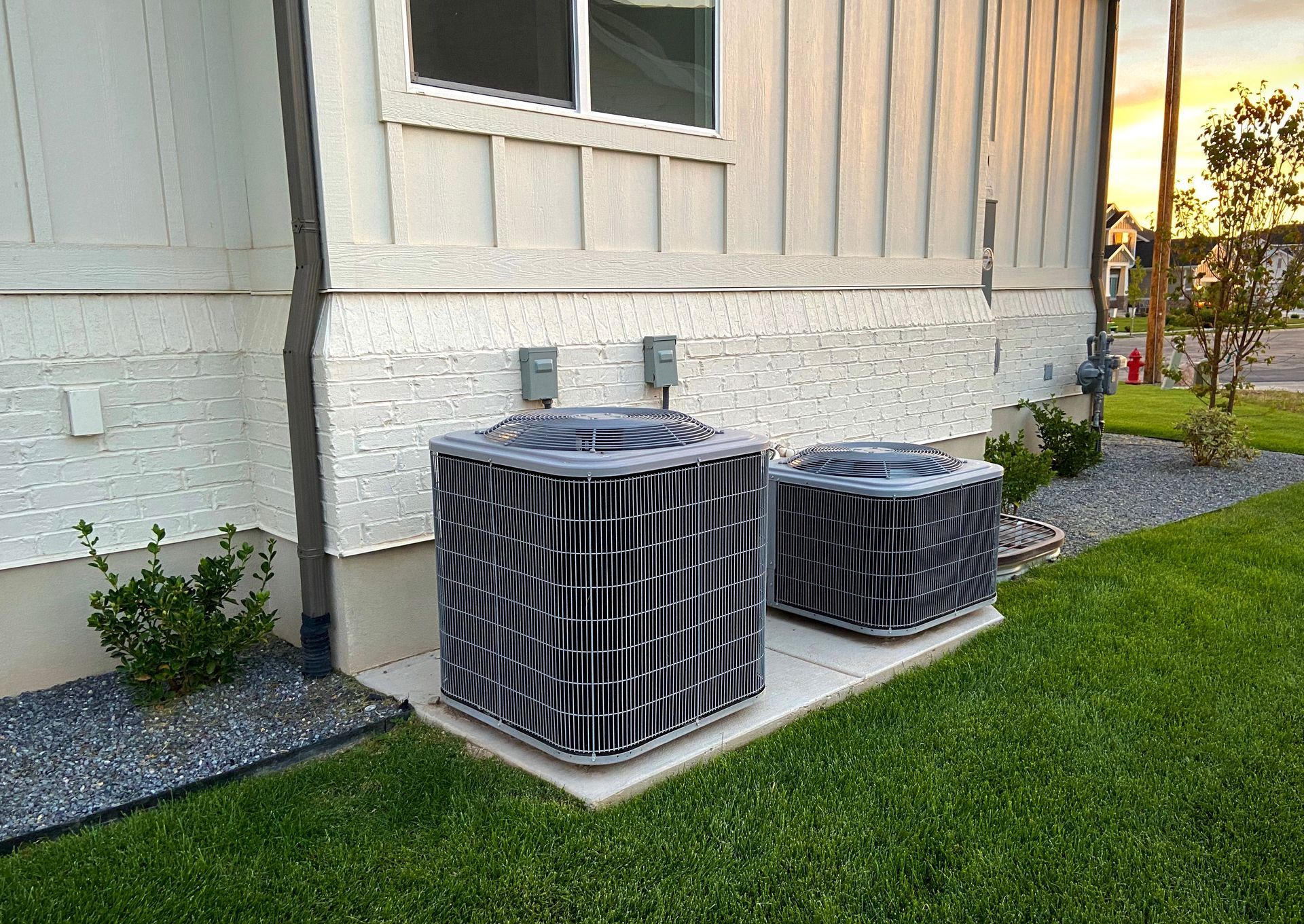
Installation planning begins with load calculations that account for window area and orientation, insulation levels, ceiling height, occupancy patterns, and internal heat sources from appliances and lighting. These calculations determine the required cooling capacity in BTUs, which then dictates equipment size. Central air installations involve mounting the outdoor condensing unit on a level pad, installing the indoor air handler or furnace with evaporator coil, running refrigerant lines between the two units, connecting to existing or new ductwork, installing a condensate drain, and wiring the system to the thermostat and electrical panel.
Arrange an on-site assessment to evaluate your property's cooling requirements and equipment options.
How Installation Decisions Affect Long-Term Operation
Refrigerant line sets must be sized correctly for the system capacity and properly insulated to prevent condensation and energy loss. The outdoor unit requires adequate clearance for airflow and service access, typically three feet on the service side and eighteen inches on other sides. Ductwork design affects system performance as significantly as equipment quality, since undersized ducts restrict airflow and create pressure imbalances that reduce efficiency and comfort.
You'll notice rooms reach target temperatures within the timeframe you set on the thermostat, with consistent comfort throughout the home rather than hot spots in certain areas. The system removes humidity effectively, preventing that clammy feeling even when the temperature reads correctly. Energy consumption aligns with the equipment's rated efficiency rather than running continuously because the system was improperly sized or installed.
Standard installations include the outdoor unit, indoor air handler or coil, refrigerant lines, electrical connections, thermostat wiring, and condensate drain. They don't include ductwork fabrication if your home lacks existing ducts, electrical panel upgrades if your service doesn't support the new load, or air quality equipment like whole-home dehumidifiers or air purifiers unless specifically requested.
Common Questions About Installing New Systems
Property owners considering new installations typically want to understand equipment choices, installation timelines, and how system design affects performance in Denham Springs' climate.
How do you determine the right system size for my home?
Load calculations measure heat gain through walls, windows, and ceilings, then factor in insulation values, window orientation, occupancy, and internal heat sources to determine the precise cooling capacity needed. This calculation-based approach prevents the common problems caused by simply estimating based on square footage.
What's the difference between a heat pump and a central air system?
A heat pump provides both cooling and heating by reversing refrigerant flow, while a central air conditioner only cools and requires a separate furnace or heat source for winter. In this region's mild winters, heat pumps often provide sufficient heating capacity while eliminating the need for dual fuel sources.
How long does a complete AC installation take?
Installing a straightforward central air system with existing ductwork typically requires one full day, while more complex installations involving ductwork modifications, electrical upgrades, or multi-zone mini split systems may extend to two days depending on property layout and access.
What efficiency rating should I look for in new equipment?
SEER ratings above sixteen provide meaningful energy savings in Louisiana's extended cooling season compared to minimum-efficiency models. Higher-efficiency equipment costs more initially but reduces monthly operating costs, with the savings gap widening as electricity rates increase over the system's fifteen to twenty-year lifespan.
Why would I choose a mini split instead of central air?
Mini splits work well for homes without existing ductwork, room additions where extending ducts isn't practical, and spaces where zoned temperature control provides efficiency advantages. Each indoor head operates independently, allowing different temperature settings in different areas without conditioning the entire home.
A/C Express, LLC evaluates your property's specific cooling requirements and recommends equipment options matched to your comfort needs and budget. Request a detailed proposal that includes equipment specifications and installation scope for your Denham Springs property.