Systems Built for Louisiana Heat and Efficiency
HVAC Changeouts in Denham Springs for homes with rising energy bills and frequent breakdowns
A/C Express, LLC handles complete HVAC changeouts for residential and light commercial properties in Denham Springs when existing systems no longer provide reliable cooling or cost-effective operation. Systems that cycle frequently, struggle to maintain even temperatures, or drive monthly utility costs higher signal that replacement offers better long-term value than continued repairs. Equipment designed fifteen years ago operates far less efficiently than current models, particularly under the sustained cooling loads Louisiana summers demand.
The changeout process begins with evaluating existing airflow patterns, ductwork condition, and square footage to determine proper system sizing—oversized units cycle too frequently and fail to dehumidify effectively, while undersized equipment runs constantly without reaching set temperatures. Louisiana's humidity requires systems that balance sensible cooling with moisture removal, a function that degrades as compressors age and refrigerant efficiency declines.
Schedule a property evaluation to review system size requirements and replacement equipment options tailored to your cooling needs.
What Changes After System Replacement Completes
New equipment operates with variable-speed components and improved refrigerant formulations that reduce compressor cycling and lower runtime needed to maintain comfortable indoor temperatures. Properly sized systems reach thermostat settings without the constant operation that older units require during afternoon heat, and airflow distribution improves when ductwork is reassessed during installation to match new equipment specifications.
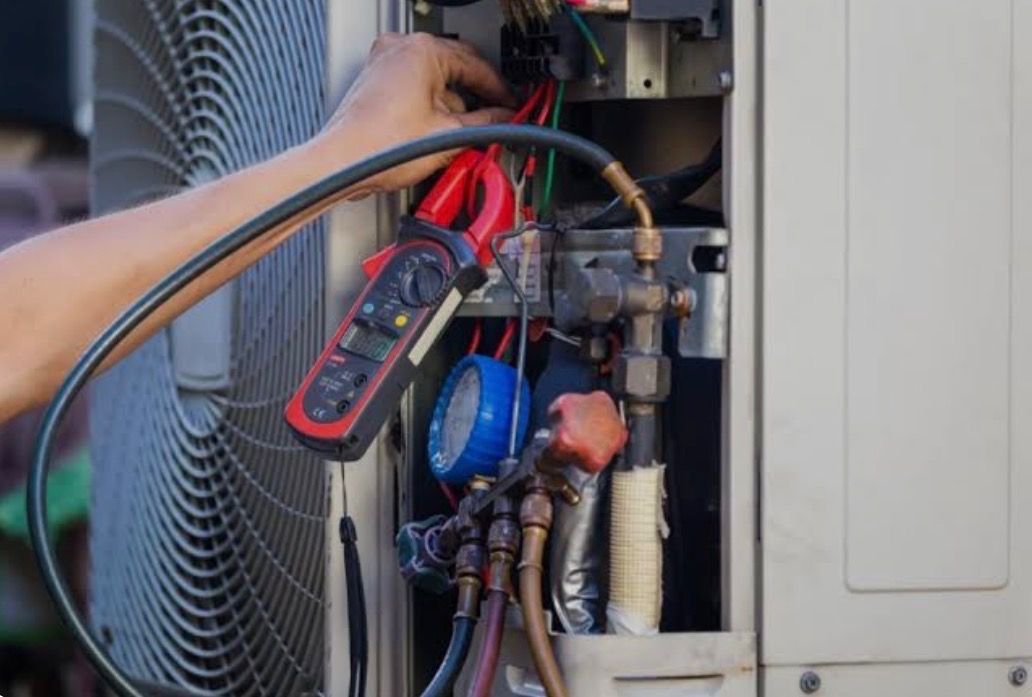
You notice more consistent room-to-room temperatures, reduced humidity levels indoors even on days exceeding ninety-five degrees, and monthly energy bills that drop as newer compressors and air handlers consume less electricity per cooling cycle. A/C Express, LLC ensures that electrical connections, condensate drainage, and refrigerant charge meet manufacturer specifications so the system operates as designed from the first day forward.
Modern systems include diagnostic ports and digital controls that simplify future service appointments, and manufacturer warranties cover major components for years beyond what aging equipment provides. Airflow readings and refrigerant pressures are documented at installation to establish baseline performance measurements for maintenance tracking.
Questions Before Replacing Your HVAC System
Homeowners preparing for HVAC replacement typically ask about system sizing, equipment options, and what the installation process involves for their property.
What signs indicate replacement makes more sense than another repair?
Systems requiring refrigerant recharges multiple times per season, compressors that fail to start reliably, or monthly cooling costs that climb despite consistent thermostat settings usually cost more to maintain than replace over a two-to-three-year period.
How is the correct system size determined for a Denham Springs home?
Technicians calculate cooling load based on square footage, insulation levels, window placement, and typical occupancy, then match equipment capacity to that load—proper sizing prevents short cycling and ensures adequate dehumidification during humid summer months common to the region.
What does the changeout process include beyond installing new equipment?
Complete replacements involve removing old indoor and outdoor units, verifying electrical service capacity, checking ductwork for leaks or restriction, installing new refrigerant lines if existing ones show corrosion, and testing airflow across all registers to confirm balanced distribution.
How do modern HVAC systems improve energy efficiency compared to older models?
Current equipment uses variable-speed compressors that adjust output to match demand rather than cycling on and off at full capacity, and improved heat exchanger designs transfer energy more effectively while consuming less electricity per ton of cooling delivered.
What ongoing maintenance does new equipment require?
Filter changes every thirty to ninety days depending on indoor air quality, annual inspections of refrigerant levels and electrical connections, and periodic coil cleaning to maintain airflow and heat transfer efficiency over the system's operational lifespan.
A/C Express, LLC provides detailed replacement estimates that outline equipment specifications, installation requirements, and expected efficiency improvements for your property. Request an HVAC changeout assessment to compare current operating costs with projected savings from newer systems.