Inefficient Equipment Upgraded for Reliable Cooling
AC Replacement in Denham Springs for aging systems, frequent repair needs, and rising energy costs
Air conditioning systems older than twelve to fifteen years lose efficiency as internal components wear, refrigerant seals develop slow leaks, and compressor performance degrades from thousands of operating hours in extreme heat. When your system requires multiple repairs within a single cooling season, struggles to maintain comfortable temperatures during afternoon heat, or runs continuously while electric bills climb steadily higher, replacement delivers better long-term value than continued repair attempts. A/C Express, LLC removes outdated equipment and installs modern, high-efficiency systems in Denham Springs homes and commercial properties where aging units no longer provide reliable cooling performance.
Replacement decisions depend on repair frequency, refrigerant type, and operating costs compared to new equipment efficiency. Systems using R-22 refrigerant face particular challenges since this phased-out refrigerant has become expensive and limited in availability. A major component failure on an R-22 system often triggers replacement because the refrigerant cost alone approaches the price difference between repair and new equipment installation. Modern systems use R-410A refrigerant and incorporate variable-speed compressors, improved heat exchanger designs, and better motor efficiency that reduce operating costs by twenty-five to forty percent compared to older single-stage units.
Schedule a replacement evaluation to compare your current system's operating costs against new equipment options.
What AC Replacement Involves
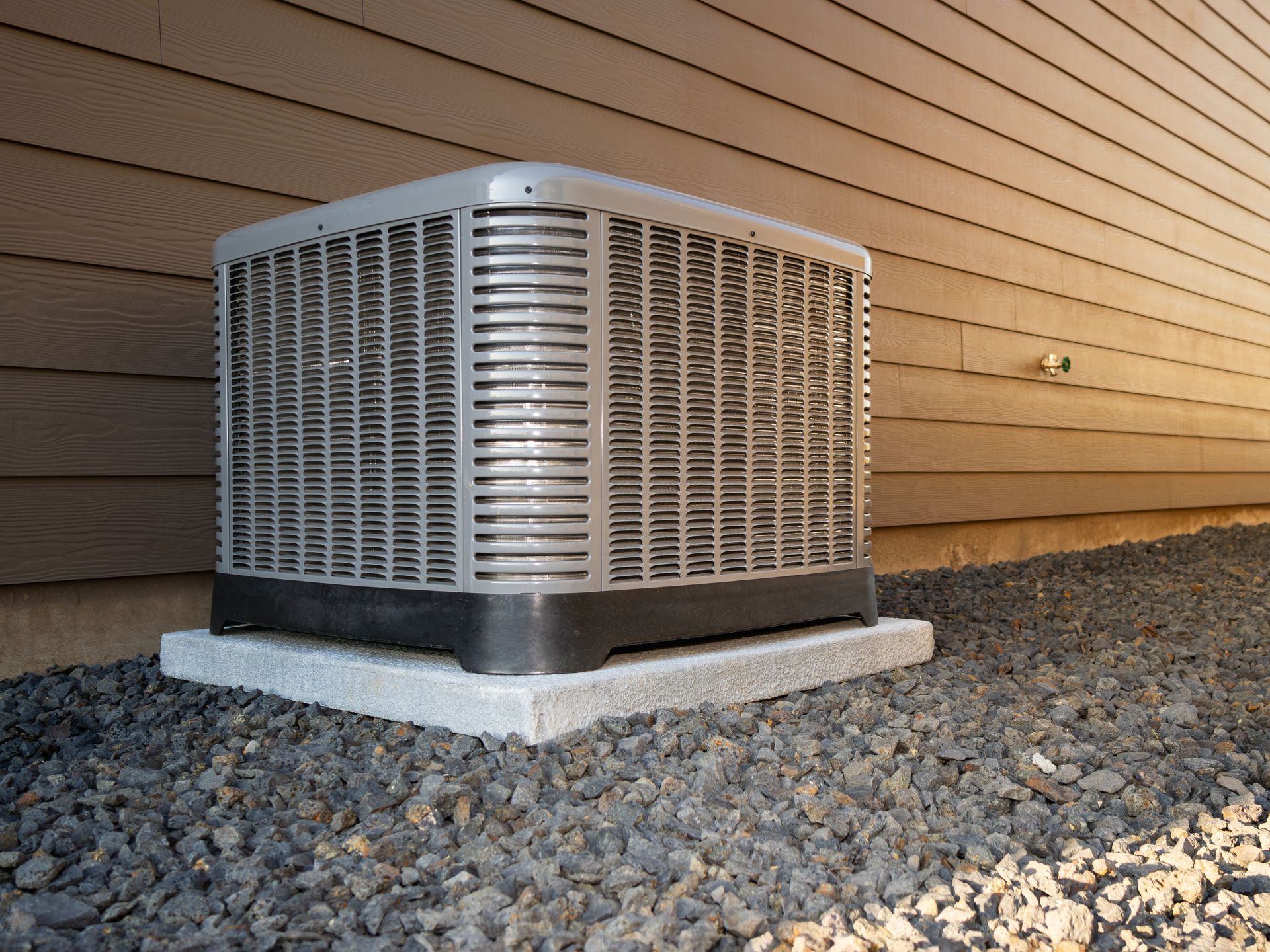
Replacement begins with removing the existing outdoor condensing unit, indoor coil or air handler, refrigerant lines, and electrical connections. The old refrigerant is recovered using EPA-mandated reclamation equipment before disconnecting lines. New equipment installation follows the same process as a new system, including mounting the outdoor unit, positioning the indoor components, running new refrigerant lines if the old ones have developed leaks or corrosion, connecting electrical service, and establishing proper refrigerant charge.
Your home reaches target temperatures faster and maintains comfort without the system running constantly during peak afternoon heat. Monthly electricity consumption drops noticeably compared to the old unit's operating costs, especially if you replace a ten-SEER system with modern equipment rated at sixteen SEER or higher. Rooms maintain more consistent temperatures throughout the day rather than swinging several degrees between compressor cycles.
Replacement includes removing old equipment, installing new indoor and outdoor components, establishing refrigerant charge, and verifying proper operation. It doesn't automatically include ductwork modifications unless your existing ducts are undersized or damaged, thermostat upgrades unless your old thermostat is incompatible with new equipment, or air quality equipment unless specifically added to the project scope.
Answers to Frequent Replacement Questions
Homeowners considering replacement typically ask about timing, equipment selection, and whether repairing their current system makes sense compared to installing a new one.
When does replacement make more sense than another repair?
If your system needs a major component like a compressor or evaporator coil replaced, uses R-22 refrigerant, and is older than ten years, replacement typically costs only thirty to fifty percent more than the repair while providing a new fifteen-year service life and significantly lower operating costs.
How much more efficient are new AC systems compared to older models?
A new sixteen-SEER system uses approximately forty percent less electricity than a ten-SEER unit from fifteen years ago. In Denham Springs' climate where systems run seven to eight months per year, that efficiency difference translates to substantial monthly savings that partially offset the replacement cost over the equipment's lifetime.
Can I replace just the outdoor unit and keep my existing indoor coil?
Mismatched components void manufacturer warranties and rarely deliver the efficiency ratings printed on the outdoor unit's label. The indoor and outdoor sections are engineered as matched pairs, and mixing old and new components creates performance and reliability issues that eliminate the efficiency gains you're paying for.
What happens to the old equipment after replacement?
The old system is disconnected with refrigerant properly recovered for recycling, then removed from your property. Metal components including copper refrigerant lines and aluminum coils are typically recycled rather than sent to landfills.
How quickly will I notice energy savings after replacement?
Your first full-month electric bill after replacement provides a clear comparison point if you compare usage during similar weather conditions. Systems installed during moderate spring weather show smaller immediate savings, but the difference becomes dramatic during July and August peak cooling months when the new equipment's efficiency advantage is most pronounced.
A/C Express, LLC provides replacement estimates that detail equipment specifications, efficiency ratings, and projected operating cost reductions for your specific property. Contact our team to evaluate whether replacement or continued repairs make better financial sense for your situation.